
Crypto prices go up and down because buyers and sellers cannot agree on what a coin is worth for more than a few seconds. One morning a coin is worth fifty dollars, and by dinner it sits at forty. It happens fast, and it can make your stomach drop.
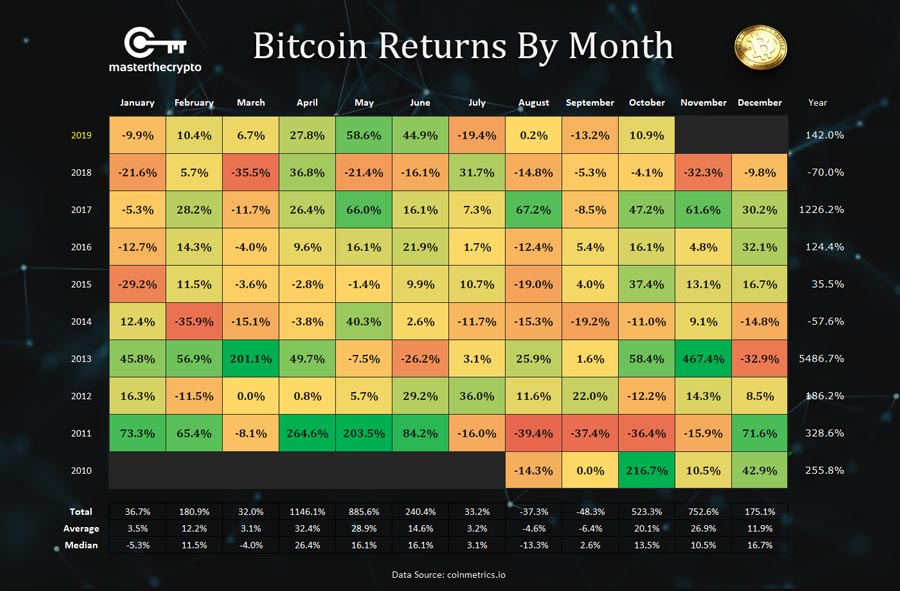
The short answer is simple supply and demand. When more people want to buy a digital coin than sell it, the price climbs. When more people run to sell than buy, the price falls through the floor. Because these markets never close and have very few safety nets, those swings hit much harder than regular stocks.
Why Crypto Prices Go Up and Down So Wildly
Most regular stock markets open at nine in the morning and shut down in the afternoon. They take breaks on weekends and holidays. If a stock falls by ten percent in five minutes, the stock exchange rings a bell and stops all trades to let people calm down.
Crypto has none of that. It runs twenty-four hours a day, every single day of the year, all across the globe. A trade made in Tokyo at three in the morning affects the balance on your phone in Ohio while you sleep.
There are also no circuit breakers. If panic hits the market at midnight, people can dump their coins without pause. That round-the-clock action creates a constant tug of war. When you look at cryptocurrency markets as a whole, you are watching millions of people make emotional guesses in real time.
Another big reason is market size. Even though crypto sounds huge in the news, its total money pool is still much smaller than traditional global finance. Think of a small pond versus an ocean. If you throw a big rock into an ocean, the water barely ripples. Throw that same rock into a garden pond, and you splash water over the grass. When a wealthy trader moves fifty million dollars around, the whole crypto pond shakes.
How Supply and Demand Set the Daily Price
Every coin trade needs two sides: someone who owns the coin and someone who wants cash instead. They meet on an exchange using an order book. That book is just a long list of prices people are willing to pay and prices people are willing to take.
Imagine a local farmers market with only ten baskets of strawberries left. If twenty people walk up with cash in hand, the farmer can raise the price from five dollars to eight dollars. People will still pay it because they want those berries before they run out. That is high demand and low supply.
Now flip it around. Suppose the farmer brings two hundred baskets, but only three people show up to shop. To get rid of the fruit before it rots, the price drops to two dollars. The same thing happens with tokens. When news breaks that gets folks excited, buyers jump in and pay higher prices to beat each other. When bad news hits, sellers drop their prices just to get out.
Some coins also have a hard cap on how many can ever exist. For instance, read What is Bitcoin in Simple Words: The Complete Beginner Guide to see how a hard limit of twenty-one million coins shapes its long-term market value. When the supply cannot grow, any surge in buyer interest pushes the tag up very fast.
News and Social Media Make Swings Much Worse
Traditional companies share earnings reports once every three months. You read the numbers, look at sales, and make a plan. Crypto does not have company balance sheets or CEO press calls. Instead, people trade on rumors, headlines, and social media posts.
A single post on an app can send a token soaring fifty percent in an hour. Famous business leaders have joked about meme coins online and caused billions of dollars to shift hands by lunch. It works the other way too. If a government says it might ban digital wallets, panic spreads in minutes.
Fear of missing out, which many people call FOMO, is very real here. Beginners see a green chart going up and think they must jump in right now or lose their chance to make money. They buy near the peak without understanding what they bought. Professional traders know this happens, so they sell their stash to those beginners and walk away with cash, leaving the new buyers holding coins that start dropping.
Negative news acts like fire on dry grass. When people read that a lending platform paused withdrawals, they do not wait for proof. They hit the sell button immediately. In crypto, acting first and asking questions later is how many people try to protect their money, which causes steep flash crashes.
Whales and Use Add Secret Pressure
You cannot talk about price changes without talking about whales. A whale is someone, or a group of investors, who holds a massive amount of a specific coin. We are talking about thousands of coins worth tens of millions of dollars.
When an everyday user sells fifty coins, nobody notices. But when a whale decides to cash out ten thousand coins at once, there are not enough buyers at the current price to take them all. The order eats through the buy list, pushing the price down step by step in seconds. Other traders see the sudden drop, assume something is wrong, and start selling too. Just like that, one person started an avalanche.
Then comes use, which is just trading with borrowed money. Some platforms let people trade with ten, twenty, or even fifty times more money than they actually have in their account. If you put down one hundred dollars, you can make a trade worth two thousand dollars.
That sounds fun when prices go up, but it is dangerous on the way down. If the coin price drops even two or three percent, the platform automatically closes the trade to protect its own loan. That is called liquidation. When thousands of borrowed trades get wiped out at the same time, the computer forces all those coins onto the market as fast sells. That triggers more liquidations in a chain reaction, dropping the price hundreds of dollars in minutes.
Rules, Laws, and Global Money Trends
Crypto does not live in an isolated bubble. It reacts to the same world events that shake regular banks, real estate, and grocery stores. When central banks raise interest rates to fight inflation, people tend to pull their money out of risky assets.
Crypto is seen as one of the riskiest assets you can touch. If safe government bonds pay five percent interest with zero chance of losing your base money, big investment firms move their funds out of crypto and into bonds. That pulls billions of dollars out of the market, causing widespread price dips.
Government rules play a massive role as well. In some countries, buying coins is completely fine and taxed like property. In others, banks are banned from handling money sent to crypto apps. When a large country announces strict new tax rules or files lawsuits against major platforms, traders get nervous. Check our crypto basics educational articles to see how regulation changes the ways people hold and transfer tokens.
The history of Bitcoin shows that every major regulatory debate has triggered huge price swings. Some years bring bans, other years bring legal approvals for big funds. Every new law creates fresh doubt, and markets hate doubt more than anything else.
How to Keep Your Cool When Charts Go Crazy
Watching your account change value every ten seconds can ruin your sleep. If you choose to follow this space, you need a clear mental game plan so you do not make panic moves with your hard-earned money.
- Never put in money you need for rent, bills, or groceries next month. If the market takes a dive, you should be able to walk away without stress.
- Stop staring at the one-minute chart. Zoom out to the six-month or one-year view. What looks like a disaster today might just be a small bump on a longer timeline.
- Avoid the temptation to borrow money to trade. Using use is how beginners lose everything in an afternoon.
- Decide what your plan is before you buy. If you want to hold for five years, daily drops do not matter to you today.
Prices will keep bouncing tomorrow, next week, and next year. Nobody can predict the exact top or the exact bottom, no matter what they claim on video apps. Treat every swing as normal market behavior, keep your risk small, and never let short-term panic run your choices.
Comments
Post a Comment